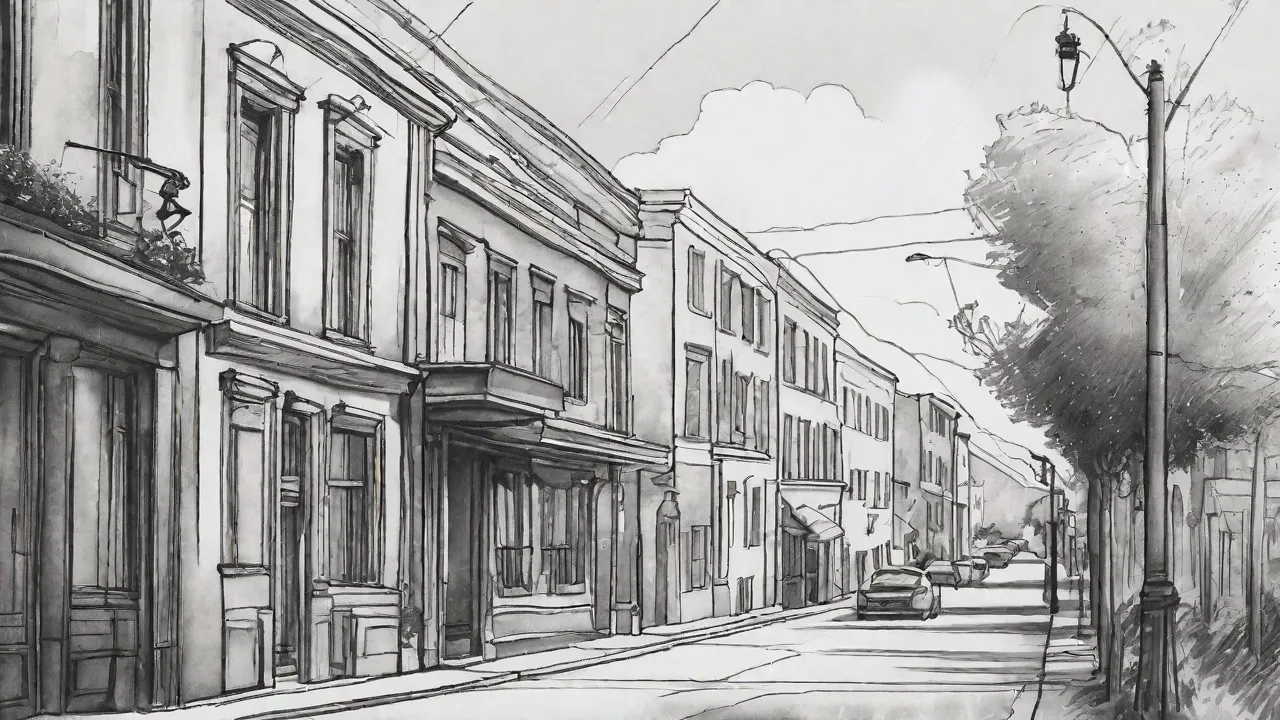
How to Achieve Smooth Gradients With Ink Wash Techniques
Ink wash techniques have been used for centuries in East Asian art to create beautiful, smooth gradients and subtle tonal variations. Mastering this method can add depth and elegance to your artwork. This article explores how to achieve seamless gradients with ink wash techniques, suitable for both beginners and experienced artists.
Understanding Ink Wash Techniques
Ink wash involves diluting ink with water to produce various shades of gray or color. The key to smooth gradients is controlling the amount of water and ink, allowing for gradual transitions from dark to light. Artists often use brushes of different sizes and types to achieve desired effects.
Materials Needed
- High-quality ink (black or colored)
- Water in a small container
- Variety of brushes (flat and round)
- Watercolor paper or smooth surface paper
- Paper towels for blotting
Steps to Achieve Smooth Gradients
Step 1: Prepare Your Palette Mix different dilutions of ink with water to create a range of shades from dark to light. Test on scrap paper to see how they appear when dry.
Step 2: Start with Light Washes Use a large, flat brush to lay down a light wash across your paper. Work quickly to keep the wash wet for smooth blending.
Step 3: Gradually Add Darker Tones While the paper is still wet, introduce darker ink mixtures at the top or side of your area. Use a clean, damp brush to blend the edges, creating a seamless transition.
Step 4: Build Up Layers For more depth, add additional layers of ink, allowing each to dry slightly before applying the next. Keep blending to maintain smoothness.
Tips for Perfect Gradients
- Work on a damp surface to facilitate blending.
- Use clean, damp brushes to soften transitions.
- Practice controlling water and ink ratios for consistent results.
- Experiment with different brush sizes for varied effects.
With patience and practice, you can master ink wash gradients that add elegance and depth to your artwork. Remember, each piece is unique, so enjoy exploring the subtle nuances that ink wash techniques can offer.